30 April 2026 | Photo: Dinatah Art House
Balinese contemporary sculptor Kadek Didin Jirot runs Dinatah Art House as his studio and a platform for emerging Balinese practitioners
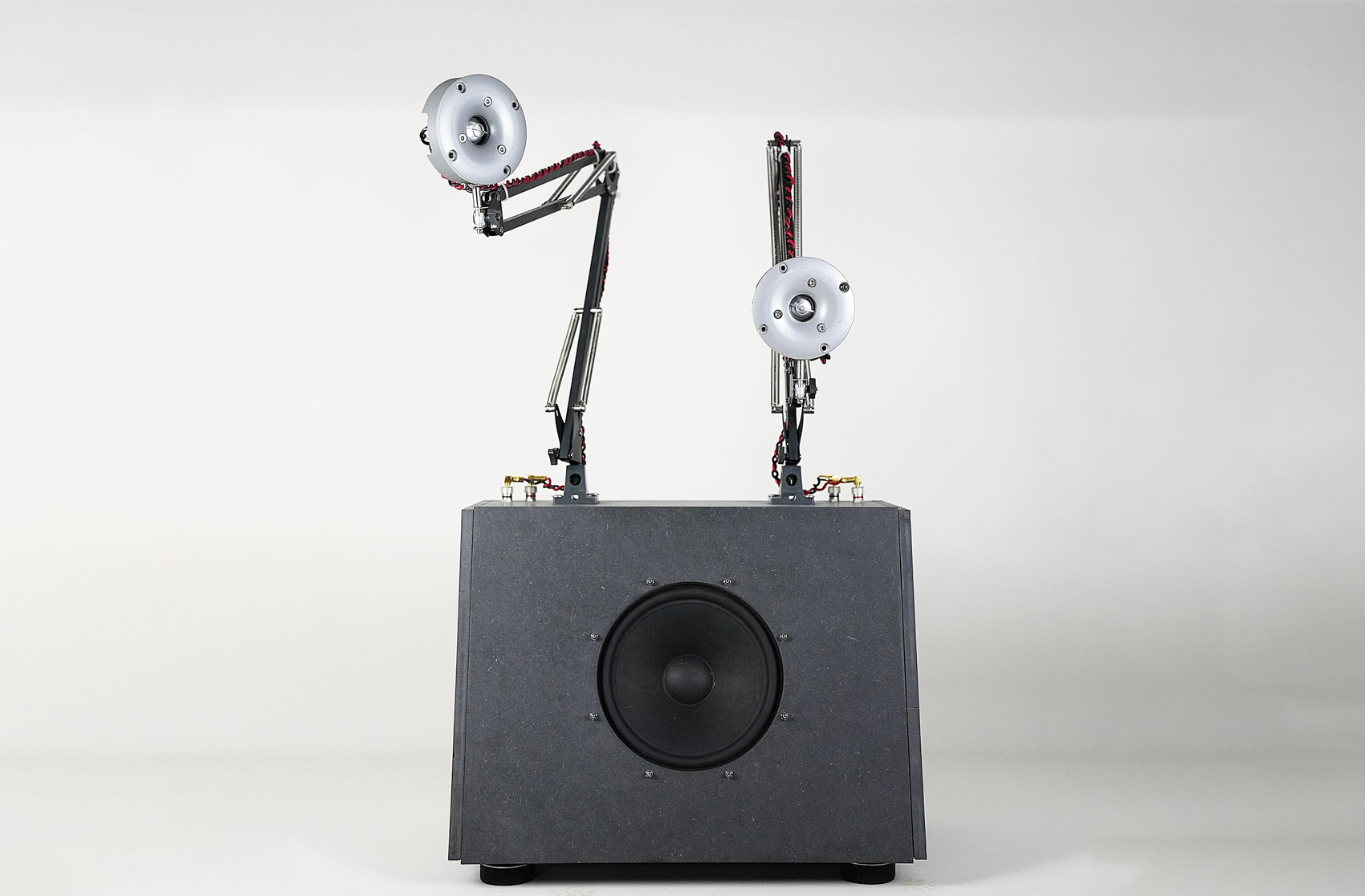
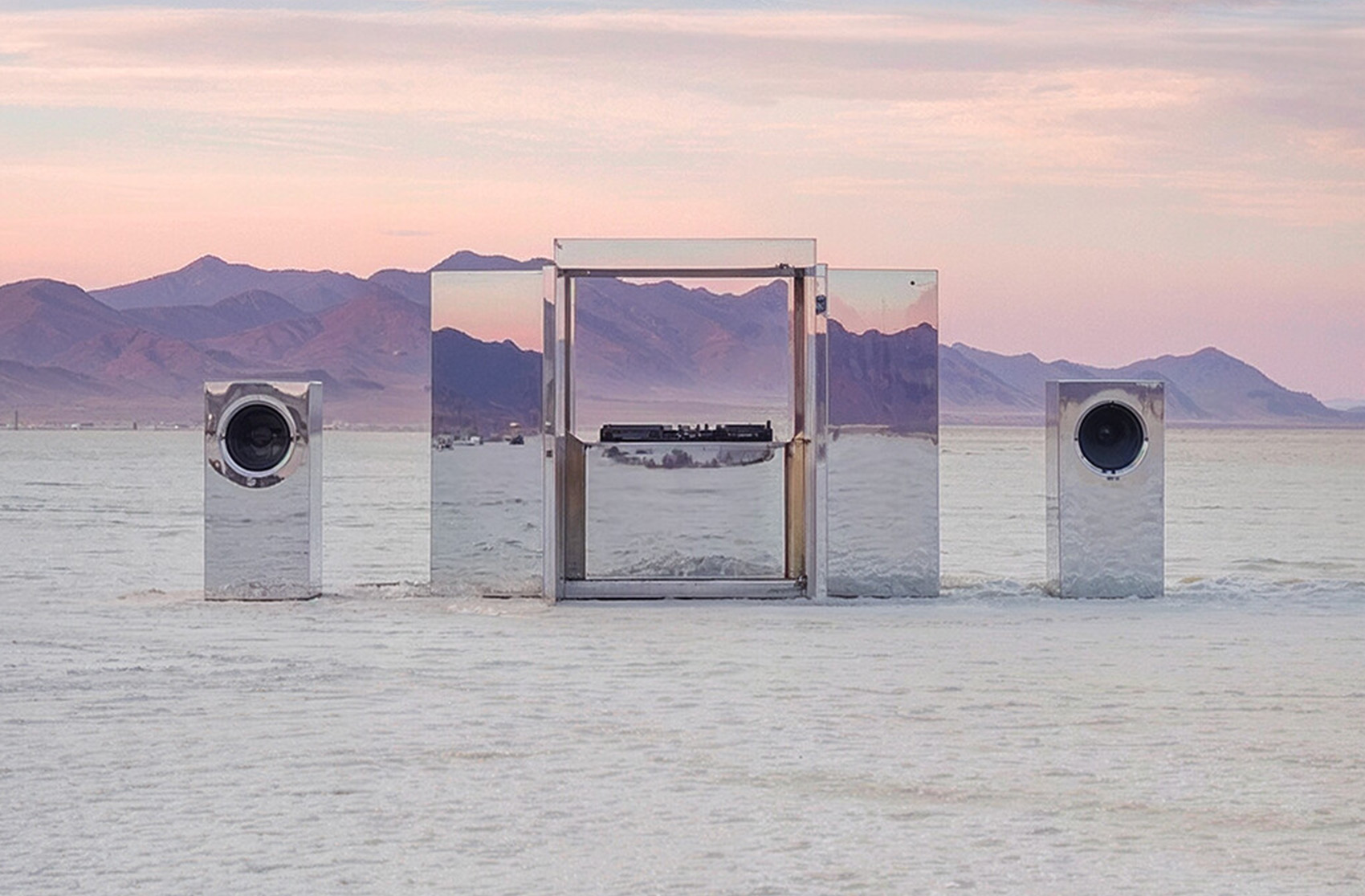
In Bali’s evolving cultural landscape, Dinatah Art House positions itself somewhere between a working studio, a sonic laboratory, and a sculptural environment. Its custom-built sound system, assembled from wood, metal, horns, and carefully sourced vintage components, suggests a practice that considers listening as both a technical and visual discipline. Nothing appears incidental; each element is configured with attention to spatial response, tonal balance, and the physical presence of sound within the room.
The art house’s “Switch” listening sessions extend this approach into a shared format, where audiences are invited into close proximity with the system and its operators. These gatherings function less as performances in the conventional sense and more as collective listening exercises, where acoustics, architecture, and selection converge. Within a region often framed through its adherence to tradition, Dinatah introduces a quieter, more process-driven form of experimentation, one that treats high-fidelity sound as a medium in its own right.
Founded by Kadek Didin Jirot, the space also operates as the artist’s studio and a platform for emerging Balinese practitioners. Jirot’s background at the Indonesia Institute of the Arts, Yogyakarta informs a practice that reworks ceremonial forms into abstract sculptural propositions. His materials, stainless steel, resin, and neon automotive paint, shift ritual objects away from their customary contexts, re-situating them within a contemporary visual language. Works shown in platforms such as ARTSUBS 2024 and exhibitions across Singapore and Bali reflect an ongoing interest in how cultural symbols can be reinterpreted without direct representation.
Across both its sonic and sculptural outputs, Dinatah Art House reflects a broader generational shift. Rather than preserving tradition as a fixed reference, it engages with it as a set of forms open to revision, tested through material, sound, and spatial experience.