22 September 2026 | Lead photo via Unit1
The startup is developing technology to recreate historic performances by deceased artists while bringing musicians who have retired from touring back to the stage
UK music technology startup Unit1 has secured more than €17 million in funding to develop hyper-realistic digital avatars capable of recreating historic concerts and bringing performances by living and late musicians to stages around the world, The Guardian reports.
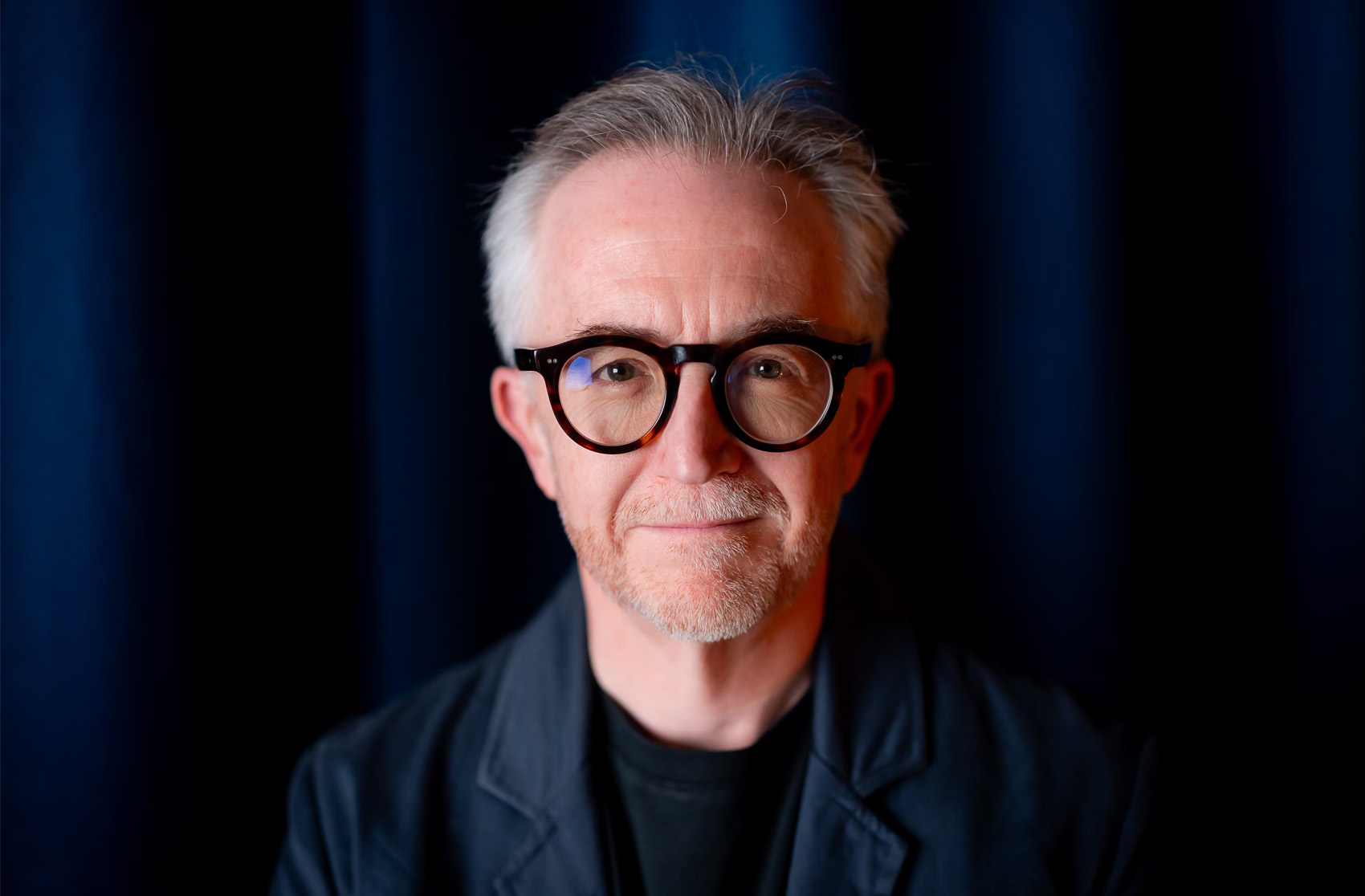
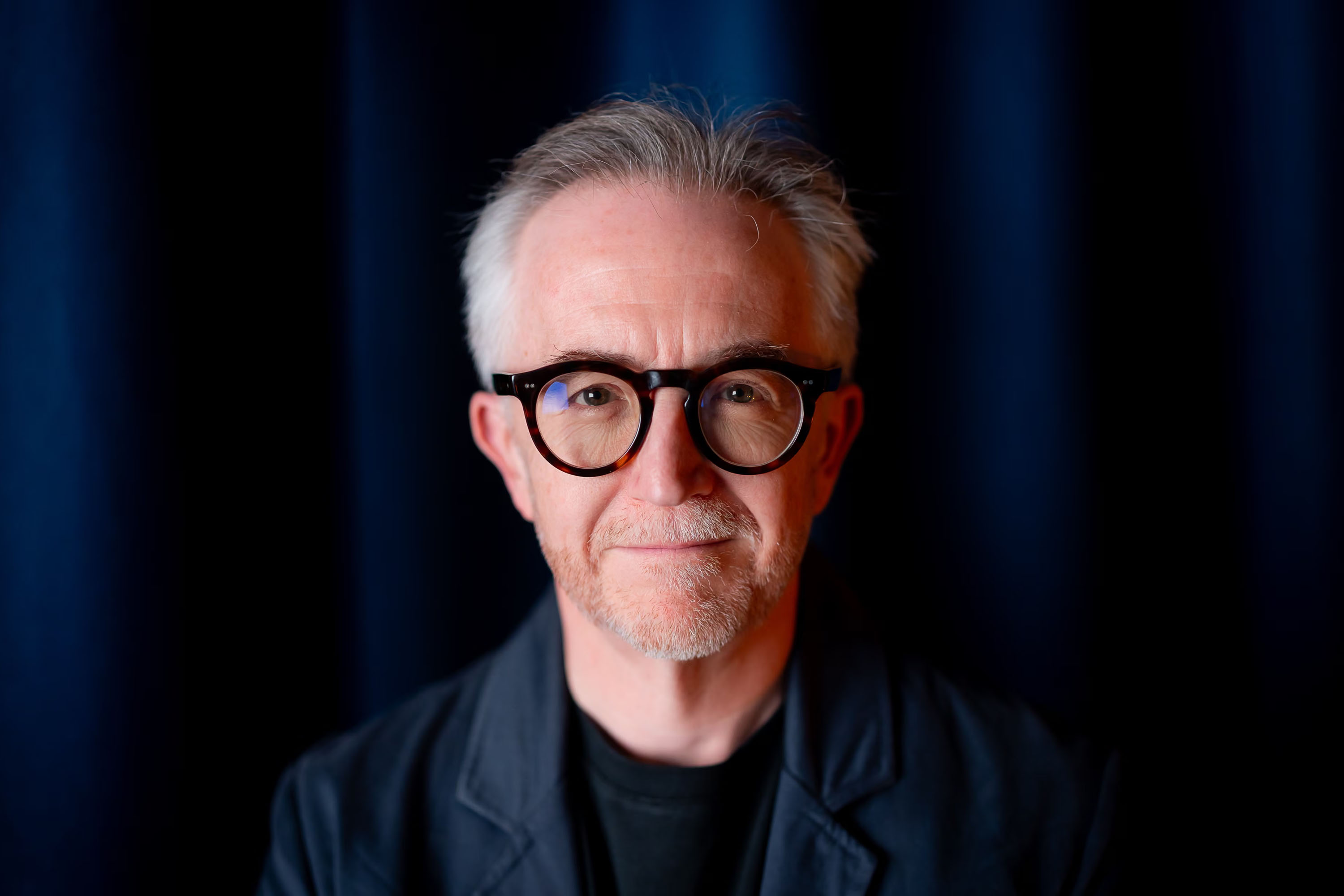
Founded in 2025 by Barney Wragg (pictured), the former chief executive of Andrew Lloyd Webber’s entertainment group, Unit1 is developing technology that combines digital performers with live musicians, allowing audiences to experience concerts without the original artists being physically present.
The investment round includes backing from venture capital firm Balderton Capital through partner Daniel Waterhouse, an early investor in Spotify. Existing investors Mercuri and Paul McGuinness, who managed U2 from the late 1970s until 2013, also participated in the round.
Unit1 plans to recreate existing performances by late musicians and develop digital representations of living artists who are no longer touring. For deceased performers, the company intends to combine archival footage with newly recorded material featuring actors and musicians who resemble the original artists or can reproduce their playing styles.
The startup has already tested its technology with Scottish singer-songwriter KT Tunstall, who previously worked with Wragg during his time at EMI. During the pilot, Tunstall was filmed using motion-capture cameras at a London studio while recreating a performance from two decades earlier on ‘Later… with Jools Holland’. The resulting digital avatar was designed to reflect her present-day appearance.
The concept builds on previous developments in digital concert production, including the holographic projection of Tupac Shakur at Coachella in 2012 and the launch of ABBA Voyage in London in 2022. The latter features digital versions of the Swedish group performing in a purpose-built arena, demonstrating the commercial potential of concerts centred on virtual performers.
Unlike ABBA Voyage, Unit1 aims to develop a lower-cost production model that does not require a dedicated venue. Its technology is intended to give artists, rights holders, promoters and venues the ability to stage digital performances in existing spaces, potentially allowing the same production to be presented in multiple countries simultaneously.
The company's proposed concert format will place real musicians performing live instruments alongside digital artists displayed on high-definition LED screens. Lighting, sound and physical stage elements will be integrated with the digital performances to create a continuous experience between the virtual and physical environments.
“For the audience member in the room it is seamless between the digital and the physical room, immersing them,” Wragg told The Guardian. “It’s a teleportation of an audience member to a time and place.”
The use of digital technology to recreate deceased performers has also raised questions about artistic legacy and the treatment of musicians after their deaths. Earlier this year, plans to develop a life-sized, AI-powered avatar of the late Black Sabbath frontman Ozzy Osbourne drew criticism from fans who considered the project disrespectful.
Addressing these concerns, Wragg said Unit1 intends to work closely with artists' estates and family members when developing performances involving deceased musicians.
The company is “dealing with family members of estates to create something which is well documented and understood – extremely well-known concerts or live recordings. We are mindful that you do not want to be distasteful,” he said.
Although Unit1 has yet to announce which historic performances it intends to recreate, Wragg has previously expressed an interest in concerts including Queen's appearance at Live Aid, The Beatles' performances at Liverpool's Cavern Club and Jimi Hendrix's set at Woodstock.
The newly secured funding will support further research and development, alongside the acquisition of intellectual property rights and the negotiation of licensing agreements with artists and their estates.
Unit1 has not yet announced a launch date or confirmed any forthcoming concert productions.